
Reaching big milestones at the Allan Hills
Hello again from the NSF COLDEX 2025-2026 field team! The last two weeks have been a whirlwind of activity, with our Allan Hills team reaching many milestones as we get closer to the end of our time in the field early next year.
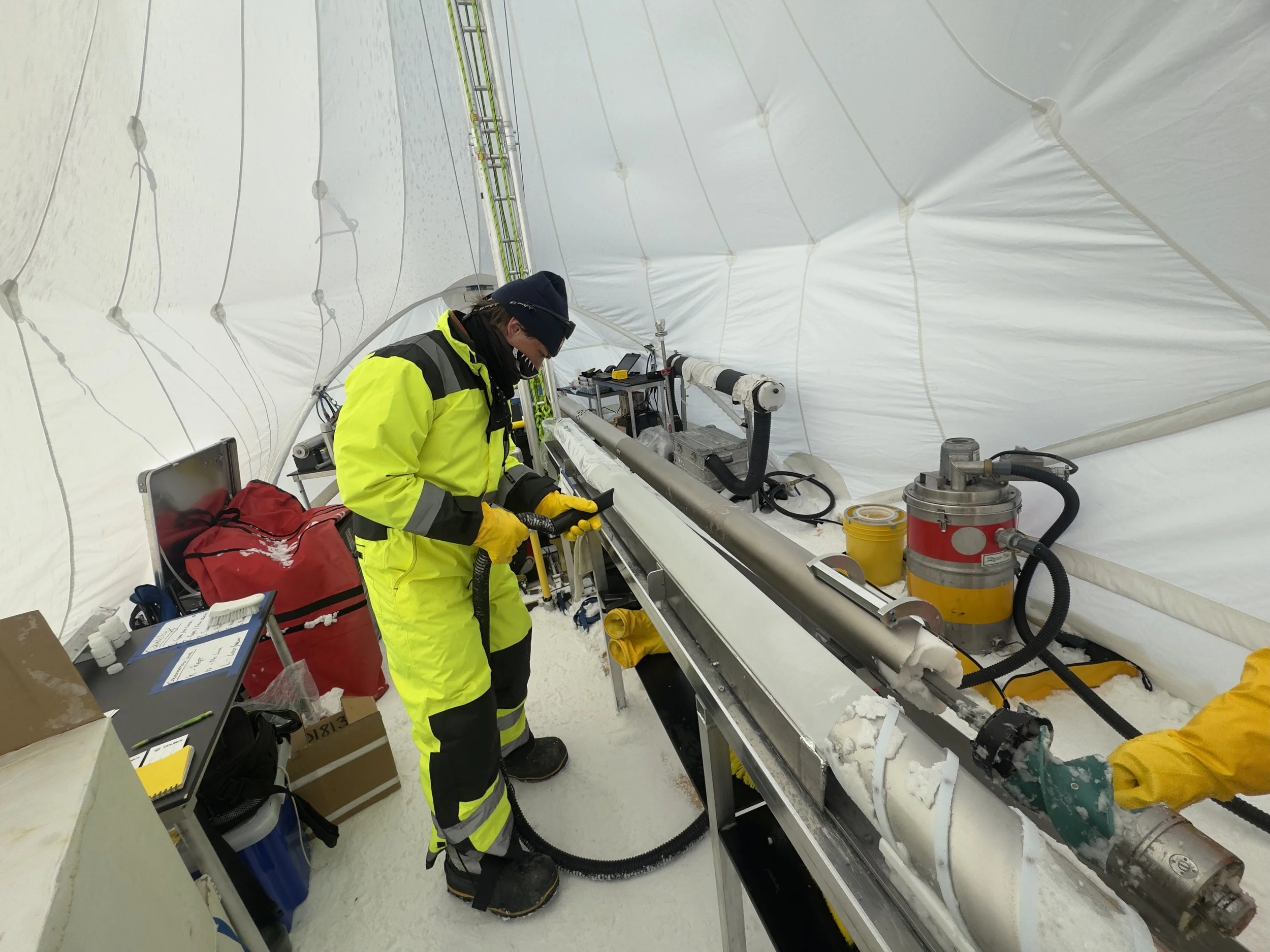
Soon after John Higgins’ departure from the field, the team switched to double shifts on our Shallow Wet Drill in an effort to make up lost time caused by technical difficulties earlier in the season. Instead of working a regular 9 to 6 day at our drill tent, we split the team in half, the first group working from 8:30am to 6:30pm, and the second group working from 7:30pm to 2 or 3am. As you can imagine, this drastically changed camp life, as instead of all meeting every day at our 8am meeting, we met at dinner time. The rest of the day, we passed each other like ships in the (bright) night, the day shift heading to the tent early and the night shift rising from their slumber around noon. While slightly uncomfortable at the start, we quickly adjusted, and this change allowed us to make speedy progress on the Shallow Wet Drill.
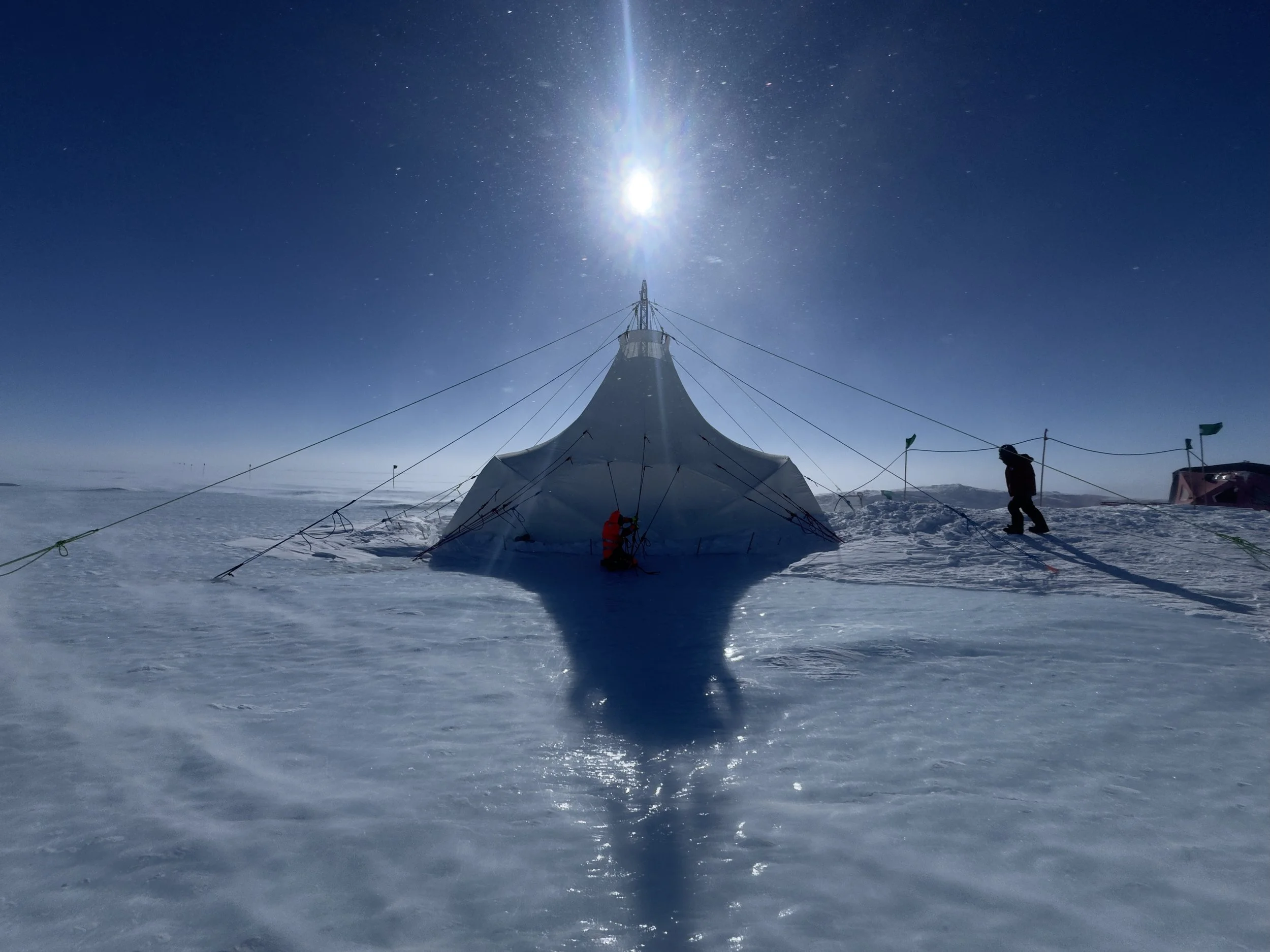
During this process, our team was visited by five people from McMurdo Station, all on one flight: two mechanics, two environmental specialists, and one National Science Foundation Program Director. The mechanics, Alex Carrigan and Asher Day, came to check up on our snowmobiles, which serve as our stalwart steeds as we drive across the windswept glaciers around us from camp to our worksites. The Environmental Specialists, Irene Porter and Amy Li, visited our camp to observe our work and collect drinking water samples to assess our water’s cleanliness (spoiler: we passed with 0% contaminants!). Finally, Will Ambrose, NSF Program Director in the Office of Polar Programs, came to get a firsthand look at what our team is doing. After a brief morning tour of our field camp, our work stations, and meeting the team, our visitors were notified that they would not, in fact, return to McMurdo Station that afternoon as planned: severe weather conditions in McMurdo led to the cancellation of all outbound and inbound flights. And so, in the span of a couple of ours, our camp grew from 11 to 16 people, temporarily making it the largest remote US Antarctic Program field camp this season.
Setting up camp for our temporary guests.
With no flights scheduled to come our way until Monday morning (no flights on Sunday), Alex, Asher, Irene, Amy, and Will ended up staying with us for two nights. In true I-187 fashion, the entire team organized to ensure that our visitors-now-guests’ stay at our remote field camp would be as enjoyable as possible. We helped Alex and Asher set up their tents, which they always travel with, unpacked an emergency shelter tent for Will, and made space in our Polarchief tent for Irene and Amy. Everyone who could contributed a piece of their gear to aid in improving the comfort of our five guests: a new toothbrush here, a spare sleeping bag liner here, and of course, plenty of snacks. Our incredible ASC camp staff, Jesse and Branden, rallied and cooked more than enough food for all sixteen of us. And while our Shallow Wet Drill double shifts continued, our guests chipped in on camp tasks, helping us dig up snowed-in cargo and drums, and getting a taste of Allan Hills life. On Monday, the five successfully boarded a flight to McMurdo Station, and 16 became 11 once again.
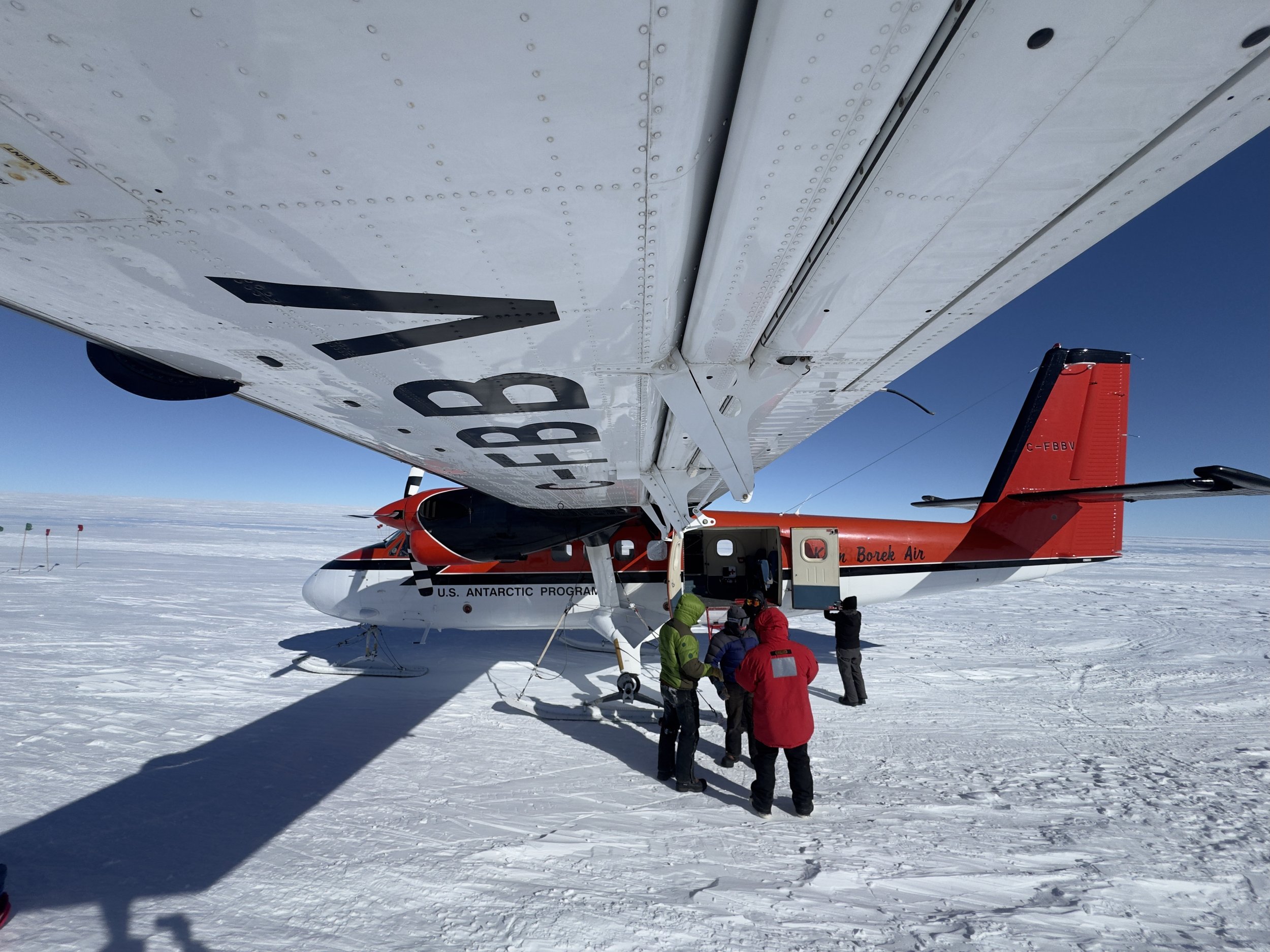
Our visitors boarding their flight back to McMurdo Station after two nights at the Allan Hills.
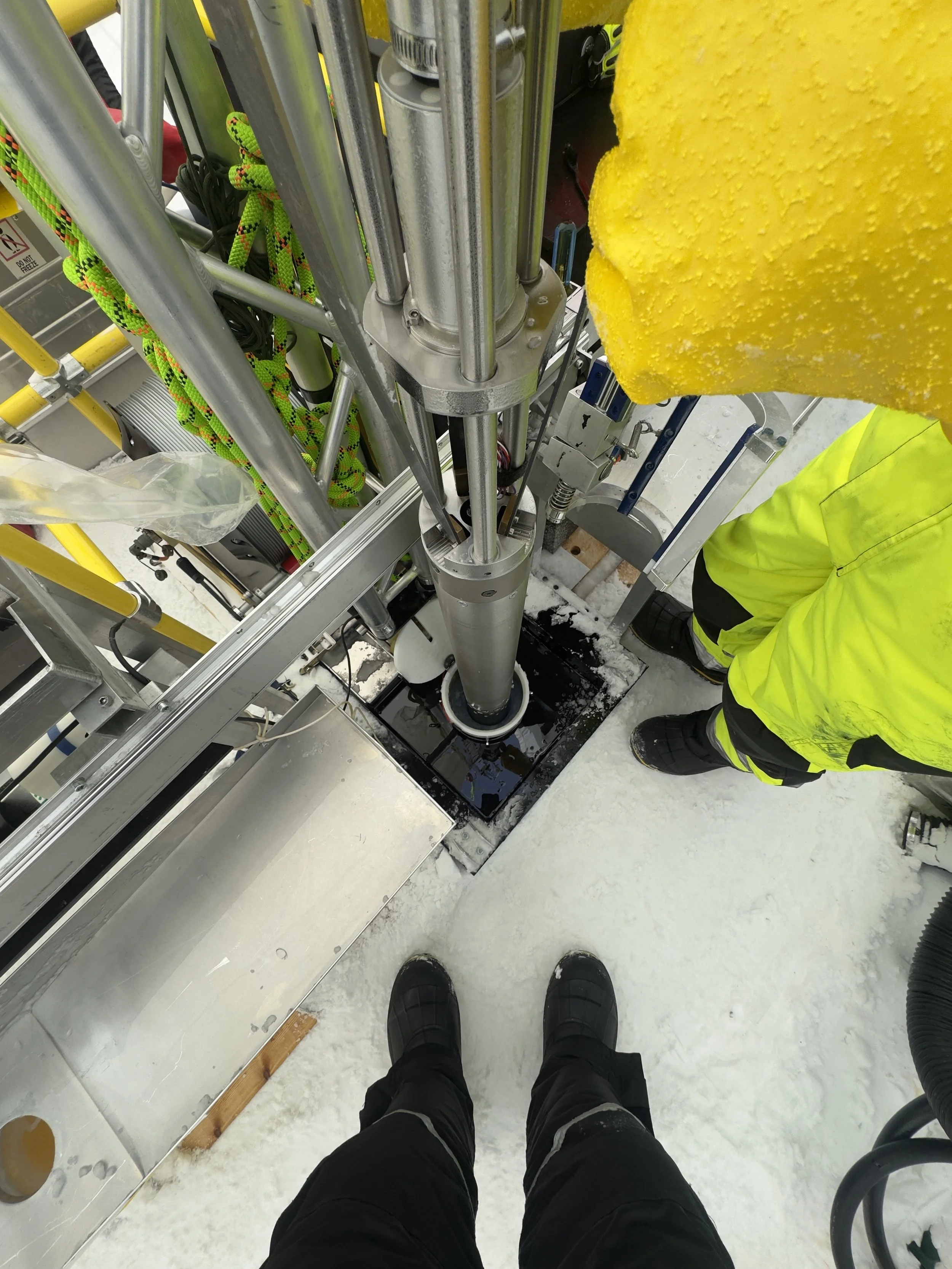
With a few days to go before a planned holiday break, work on the Shallow Wet Drill continued mostly uninterrupted, the estisol fluid delivering on its promise to help us collect high quality ice cores. With bottom depth somewhat uncertain, both teams continued alternating, each hoping to be the one to claim reaching bedrock, until one night some of us awoke to a momentous radio call: at 327 meters, the night shift reached bedrock! With the final core brought up and bedrock samples collected, all that was left for the day shift to do the next day was double check the bottom depth and call it a day. With the 327 meters number confirmed, our time at the Shallow Wet Drill came to an end.
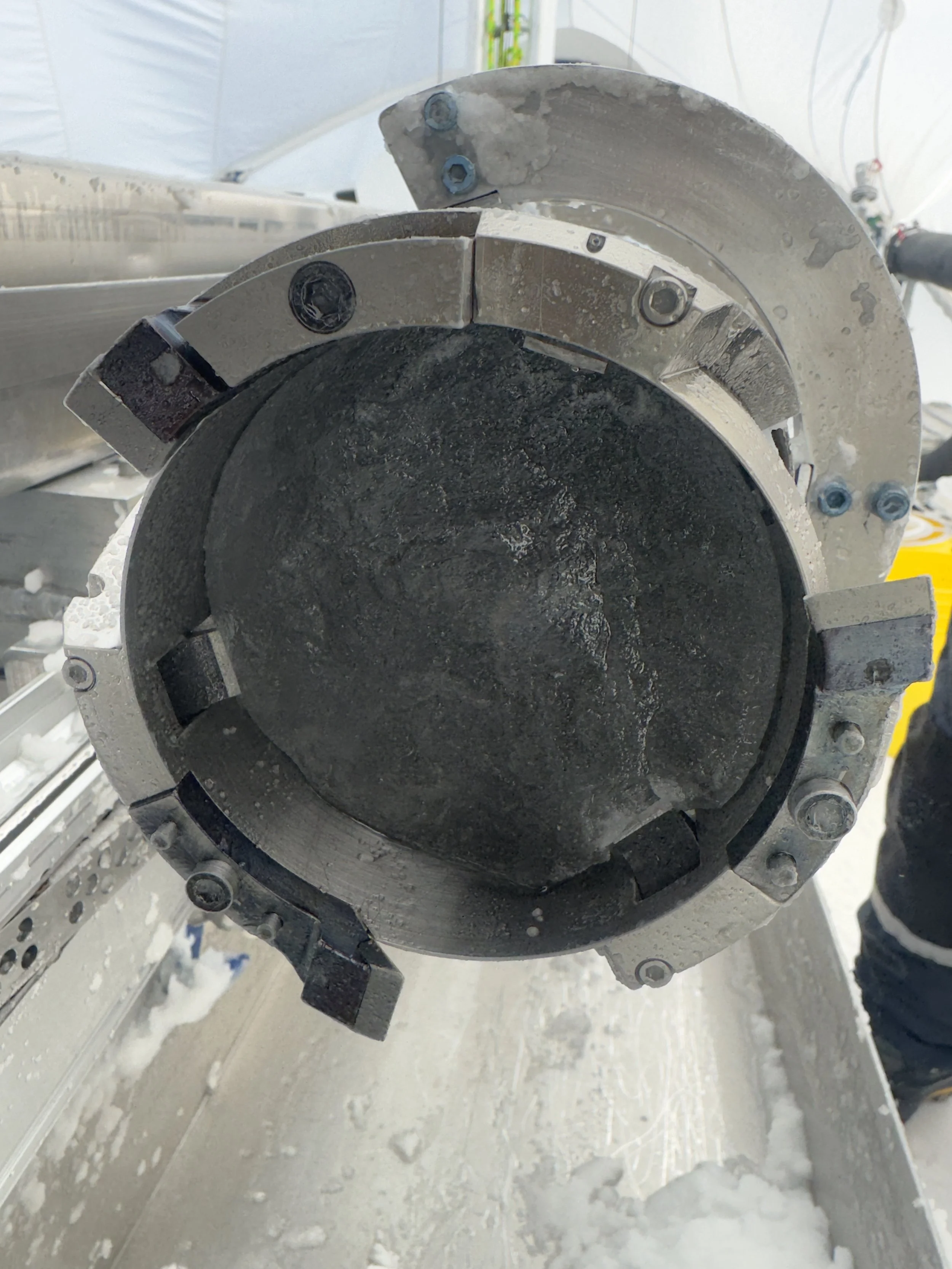
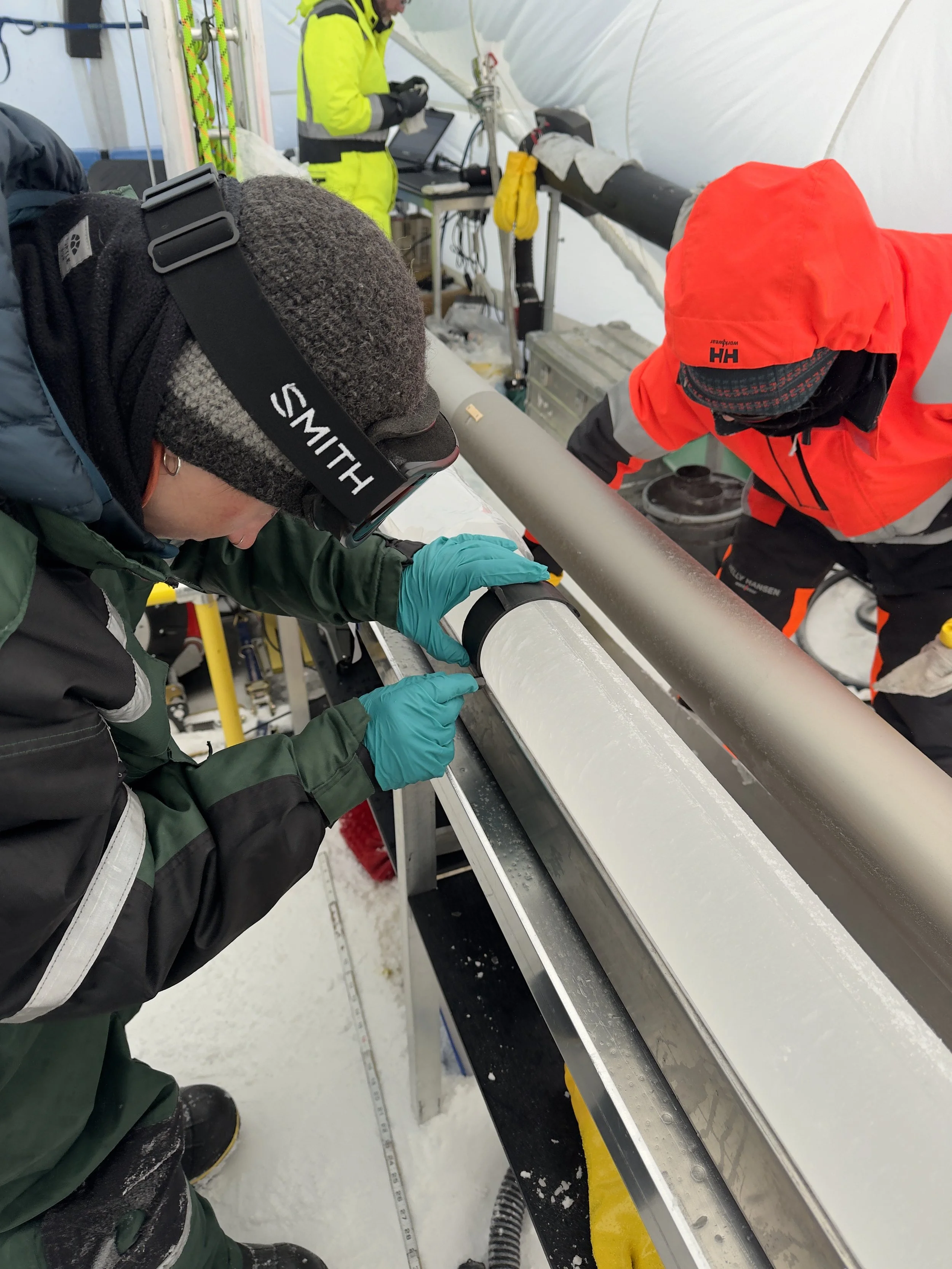
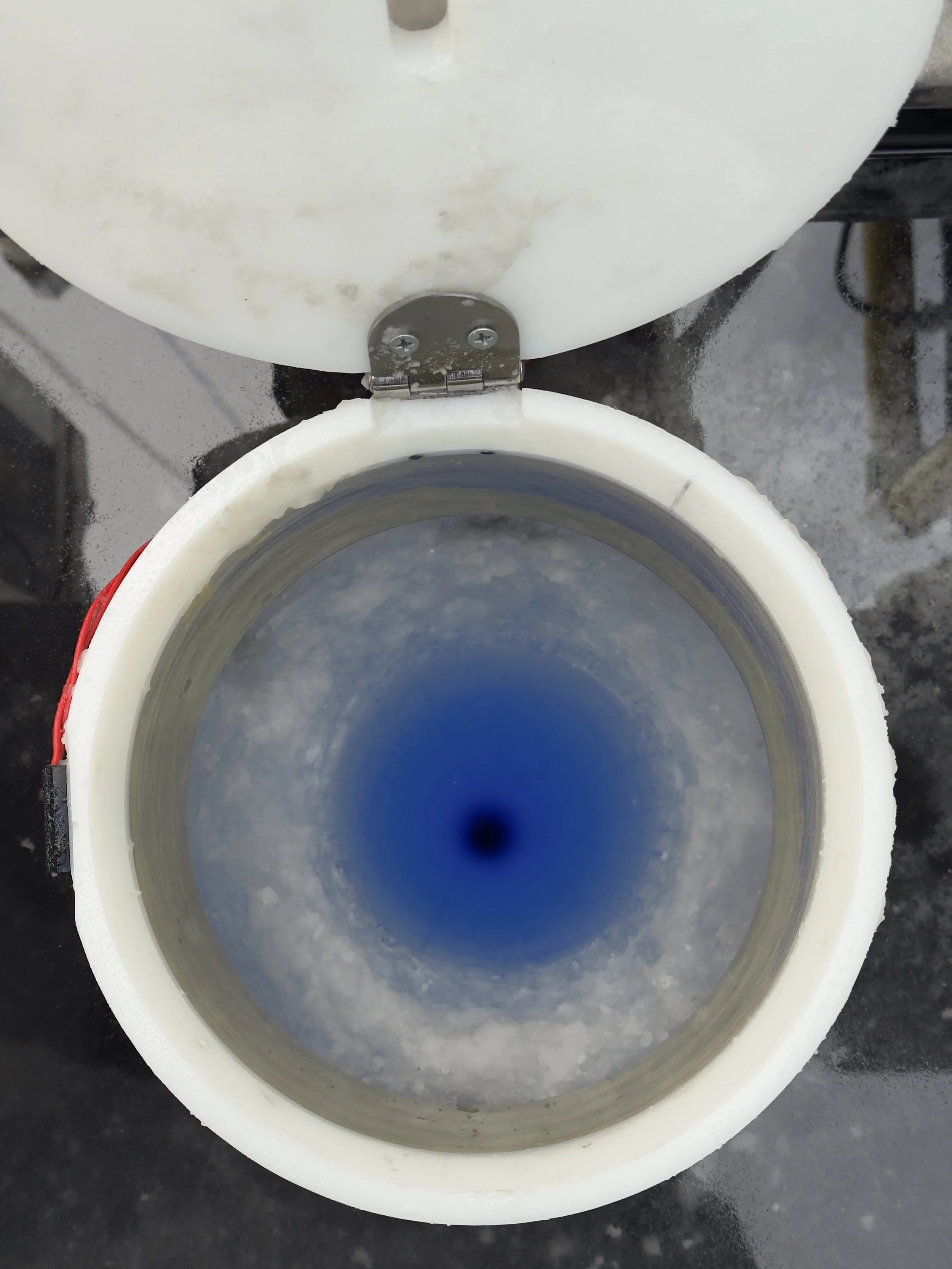
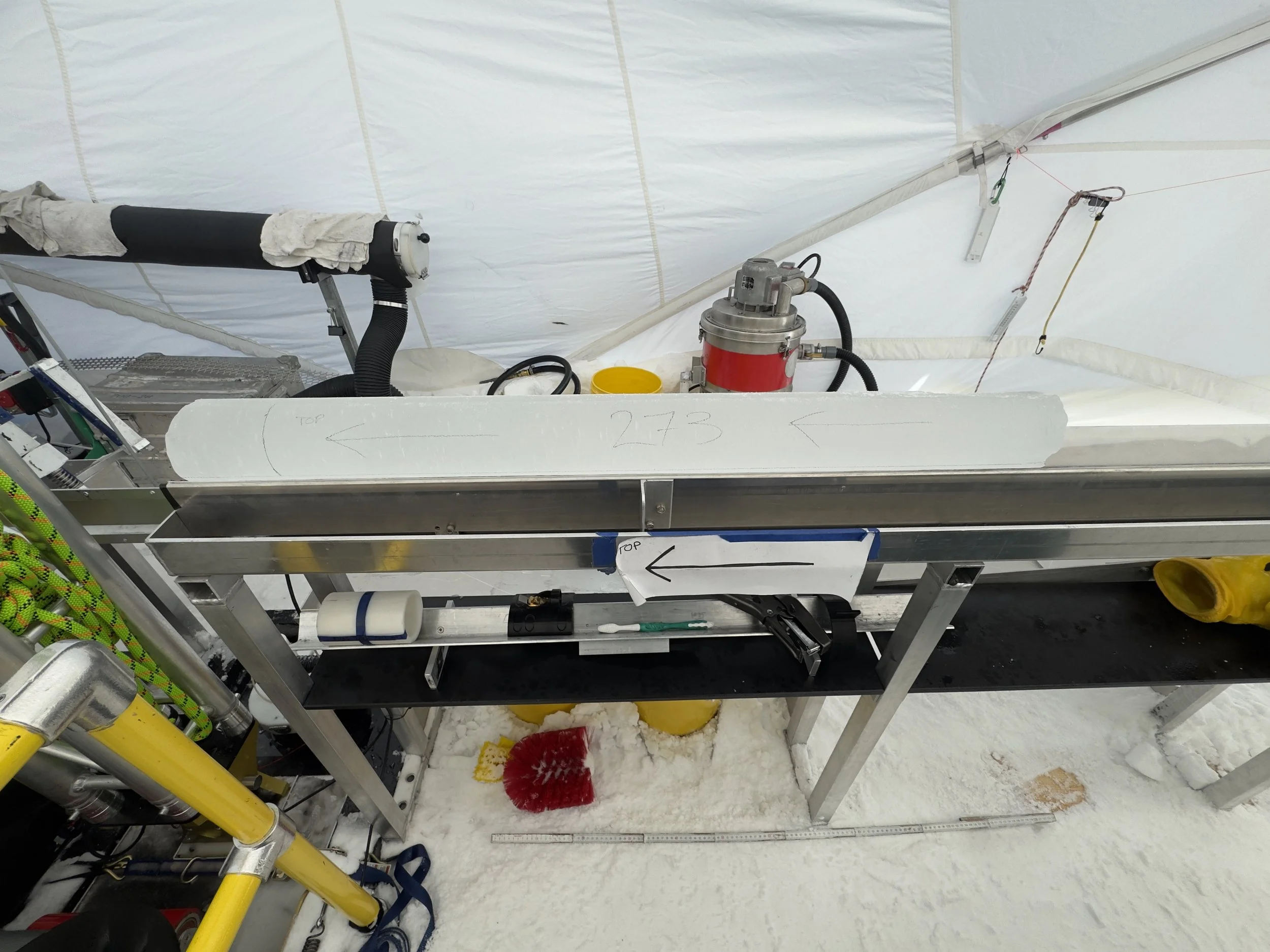
And it ended just in time for our holiday celebration! With the second of our two main ice cores collected, we spent the next day cleaning up, decorating, and preparing for a well deserved rest in honor of both our shared success and the holidays. Here was our holiday feast menu: pork tenderloin and cranberries, mushroom protein mash, brussel sprouts, spinach with corn, and chocolate cake. After dinner, we exchanged gifts, ate some more, and played some games. The next day, after a slow morning, time spent calling family and friends, and general lounging around, we converted our hang out Polarchief into a makeshift movie theatre and enjoyed a film together. And the next day? Back to work!
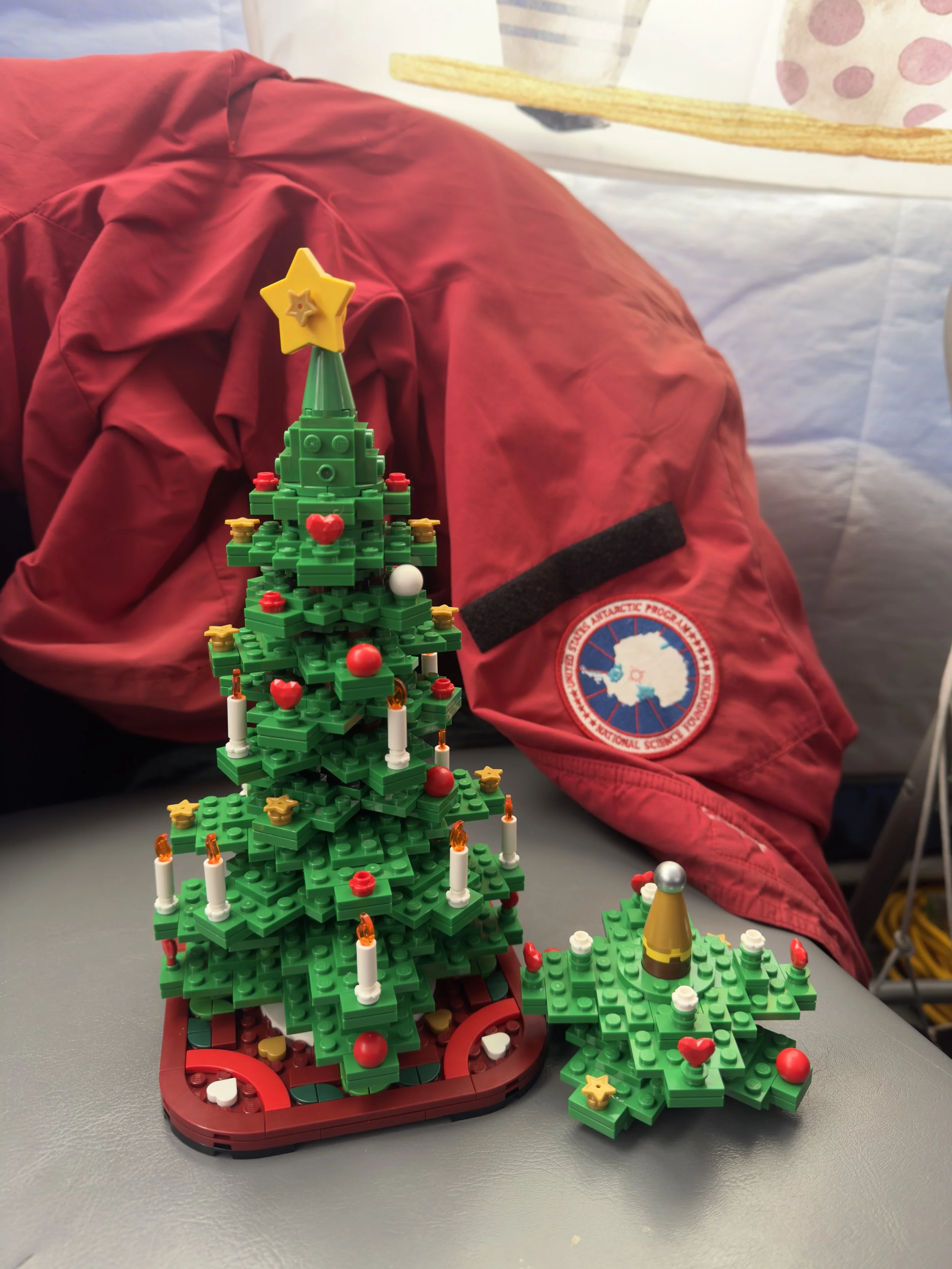
One of many decorations we made to celebrate the holidays at our field camp.
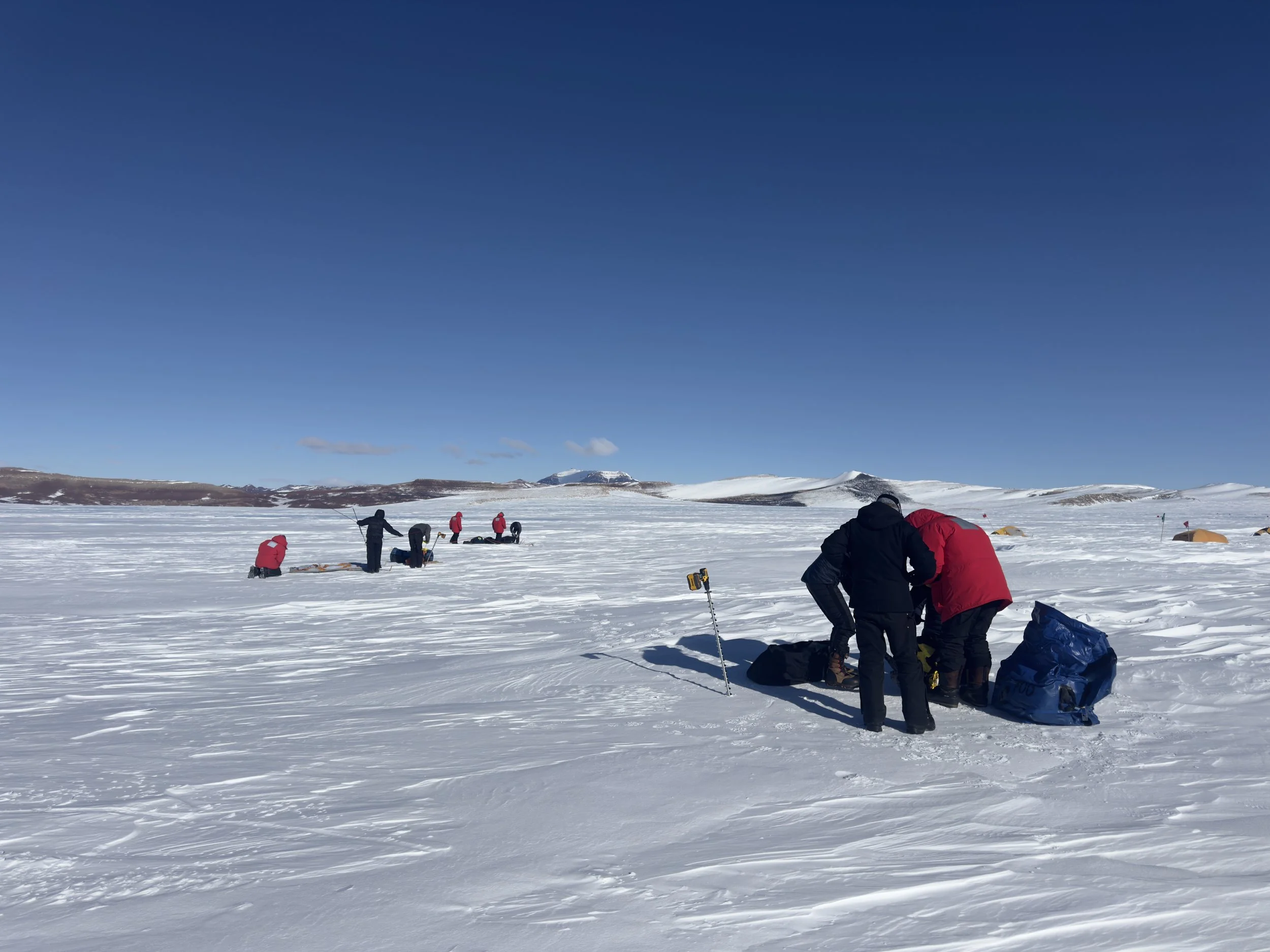
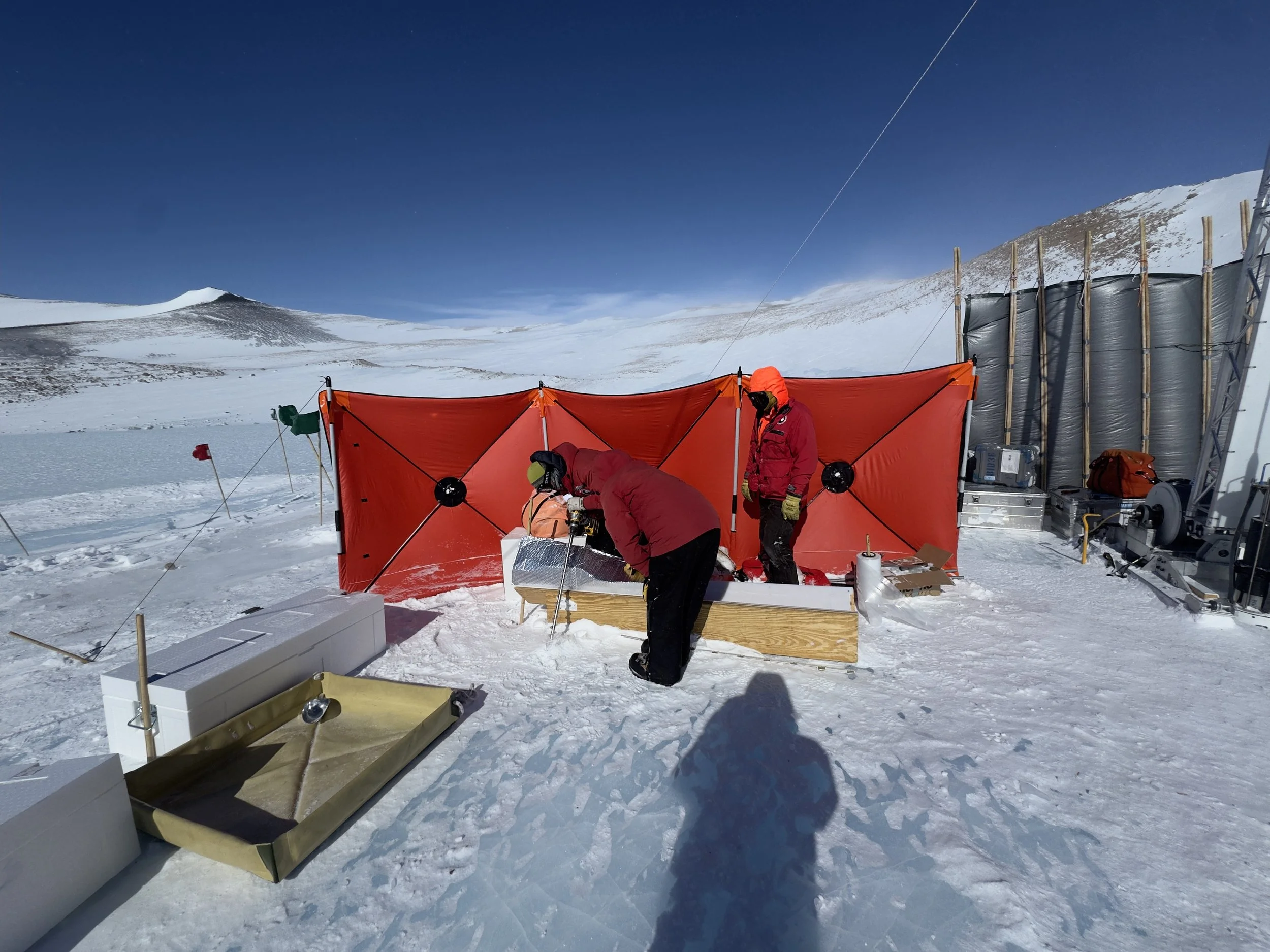
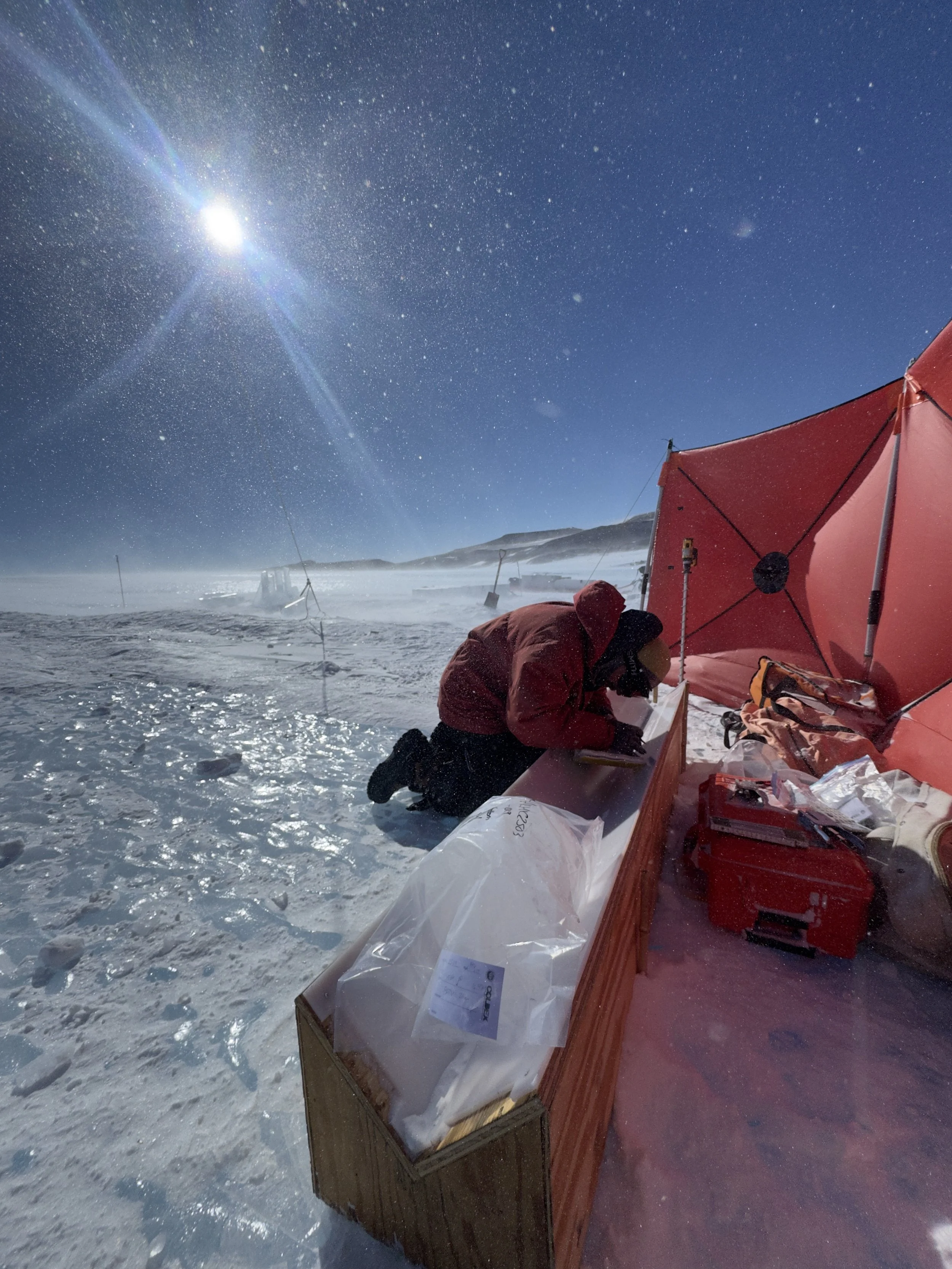
While we cleaned the Blue Ice Drill (BID) tent after finishing that borehole a couple of weeks ago, we did not take down the tent nor put away any of its major parts. This decision was made for two reasons: first, the drill tent is incredibly resistant to weather and we knew we could safely leave it in the Cul-de-Sac while we focused on other work, and second, we hoped to have time to drill some more cores with that equipment. And with the Shallow Wet Drilling done, we now had time to do just that. The day after our break, we headed back to the Cul-de-Sac, put away the drill tent, moved the drill setup a couple of meters, and started a new BID core. The goal? Drill down to 25 meters and collect more 3 million year old ice samples. On our first day, we successfully drilled 5 meters. On our second, 13 meters. And on our third and final day, 8 meters—a speedy BID, and a great number of more samples for our scientists back home to study.
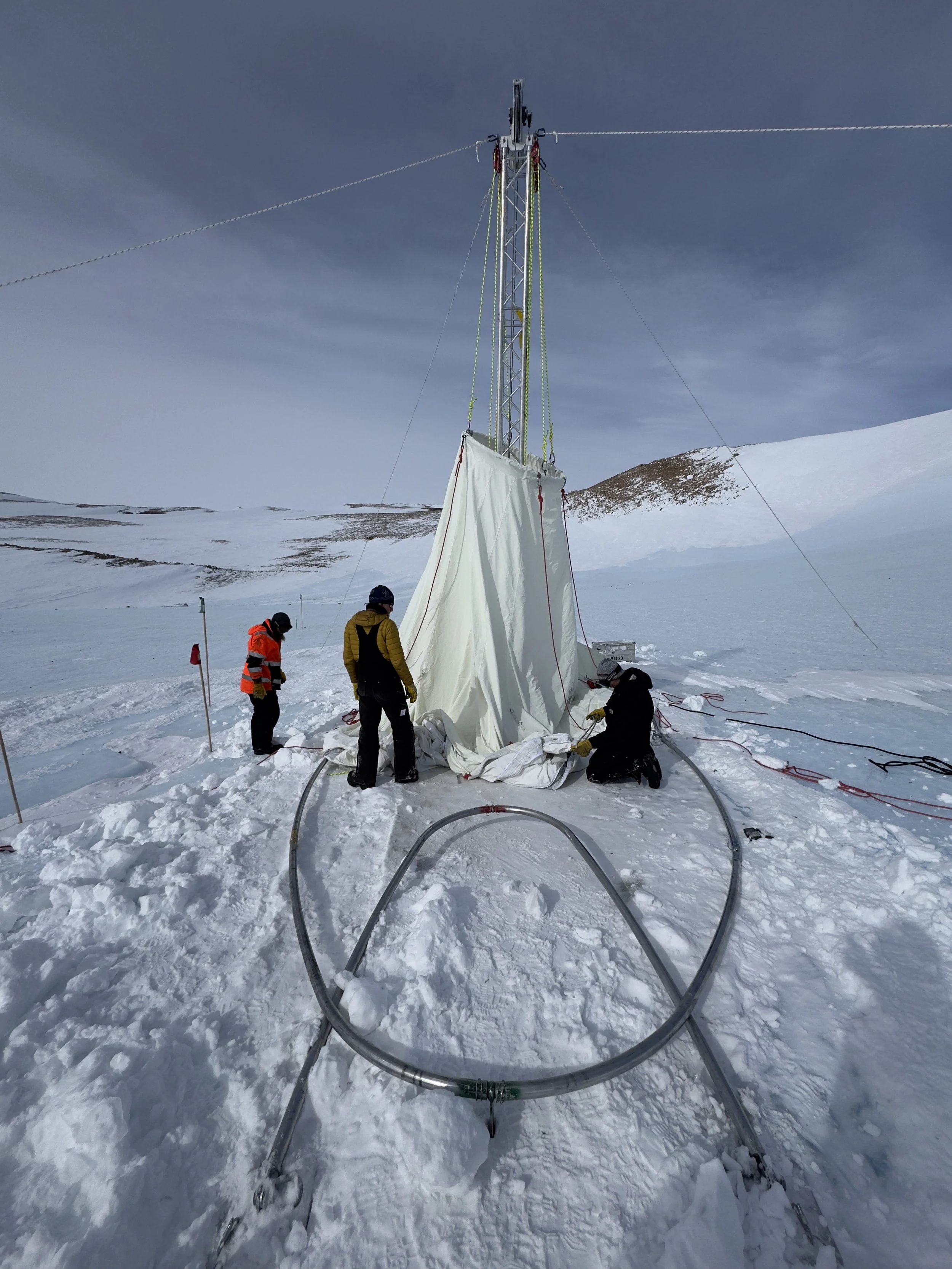
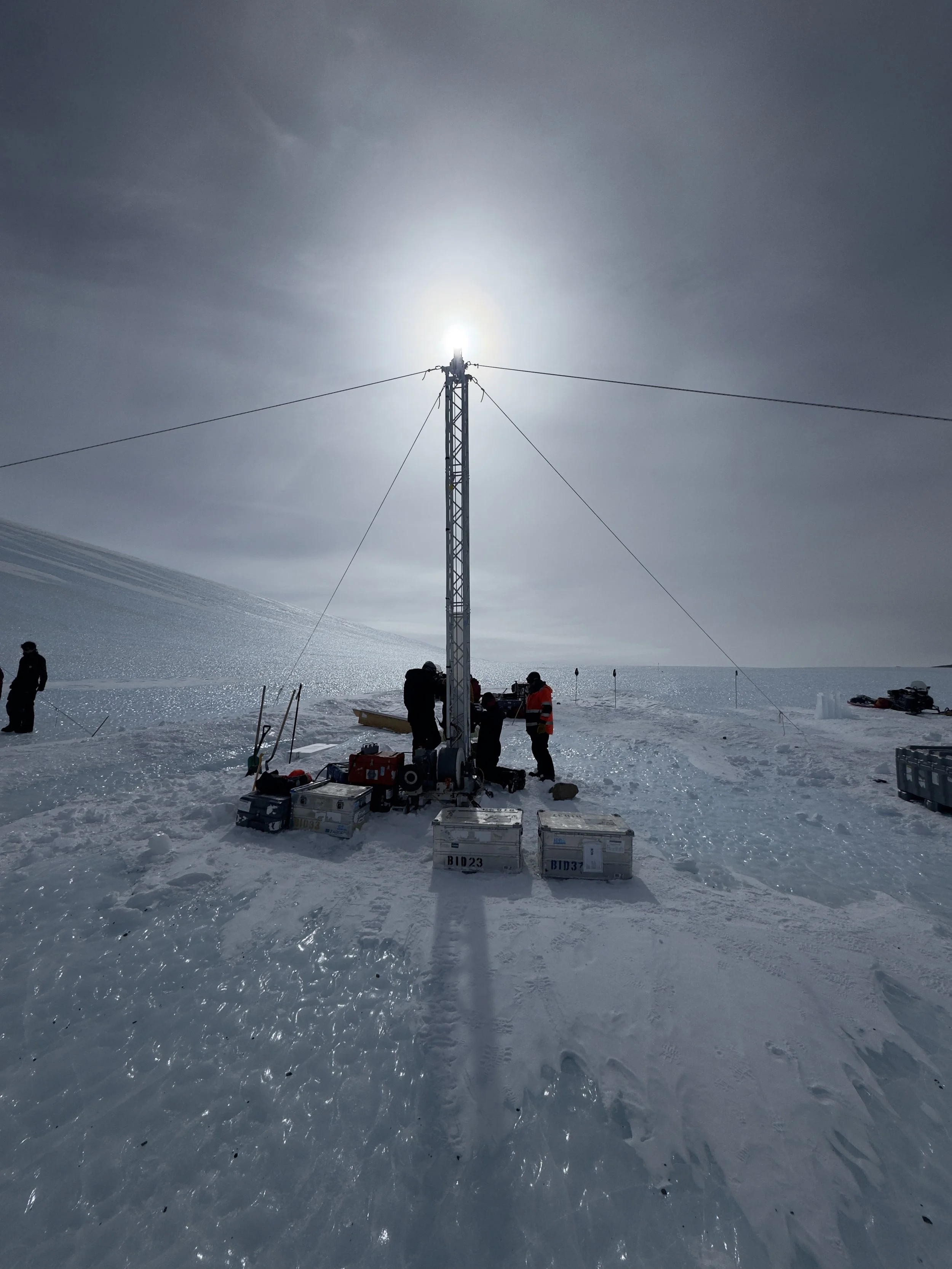
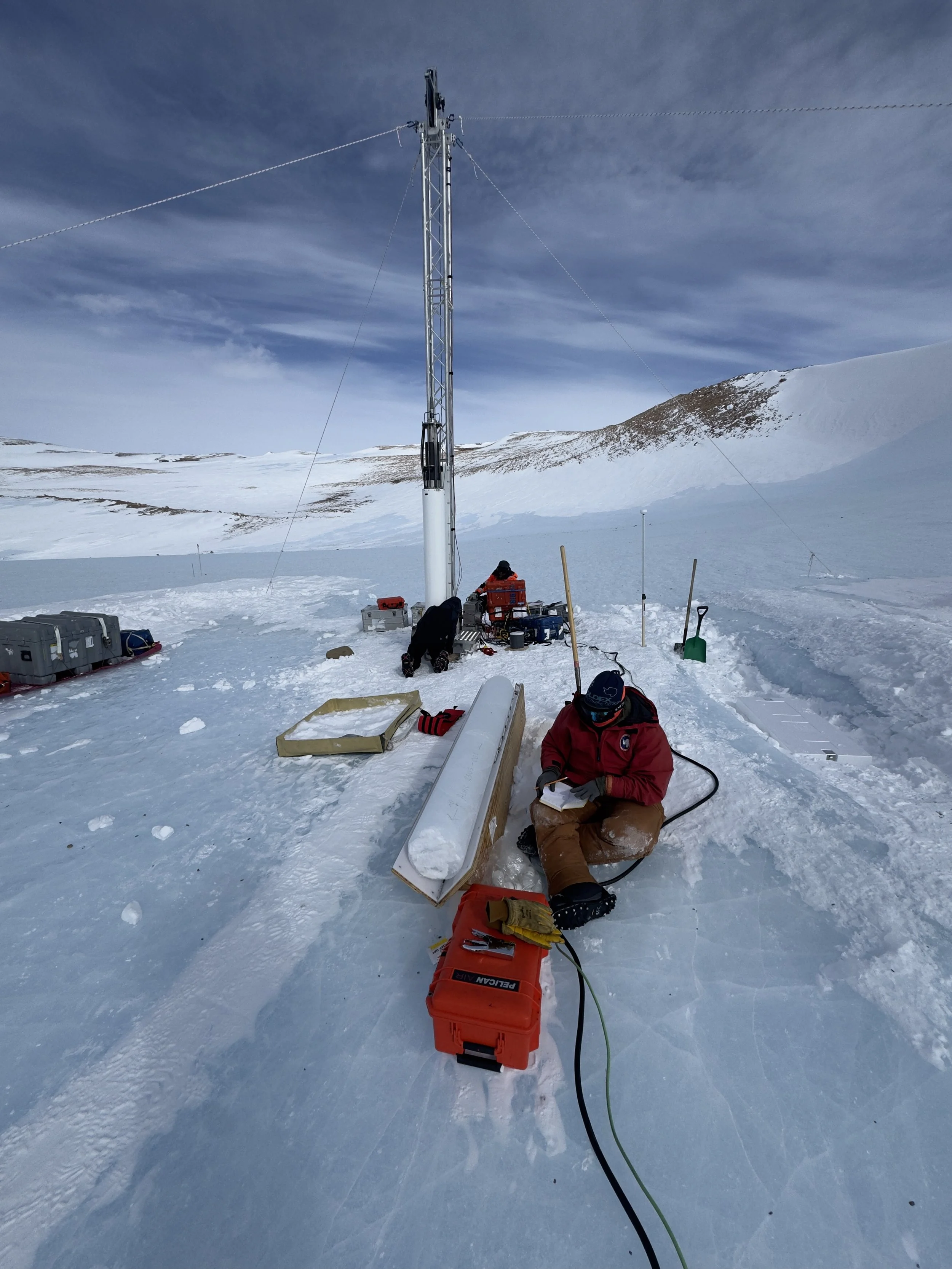
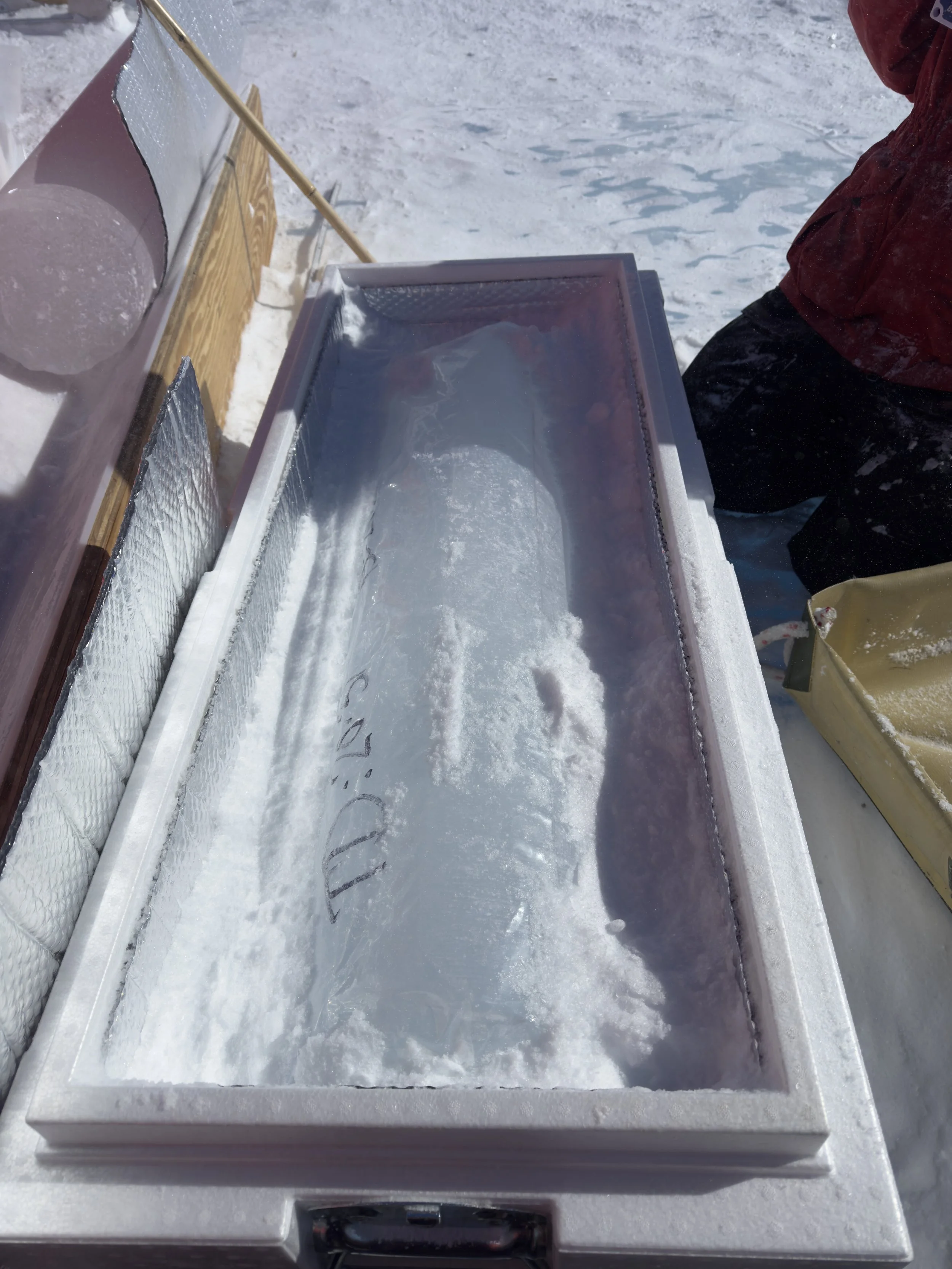
We also collected a hard-earned 23 meter hand auger core in the same area, a rewarding process that both increased our old ice sample size and made us grateful for fully mechanized drill systems. We plan to collect more hand augers. We also collected surface samples and set up a wind screen to make our new BID work possible in 20 knot winds. Back at camp, our ice core trench is filling up fast, and we eagerly await a new ice flight which will transport our precious samples back to McMurdo Station.
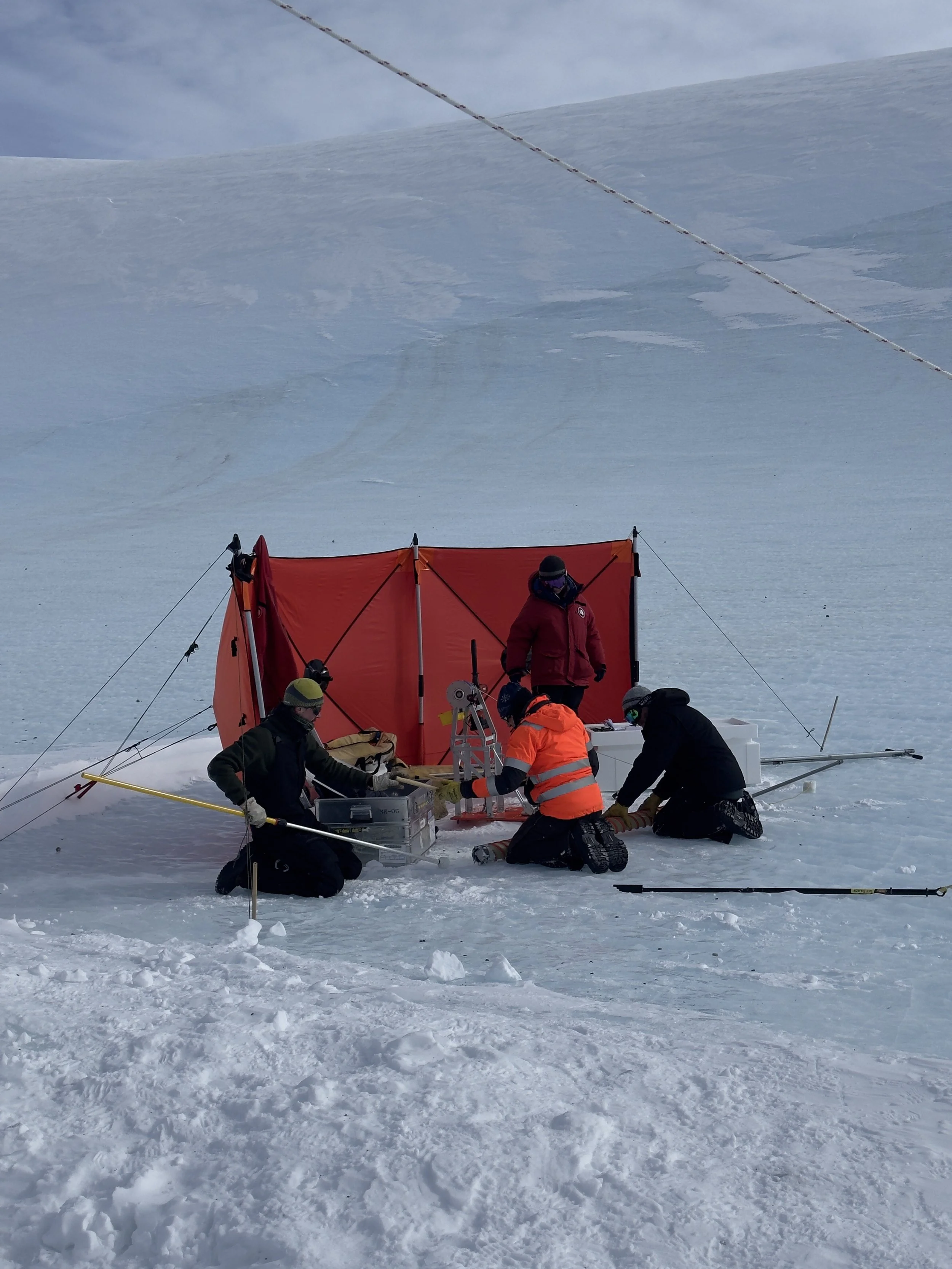
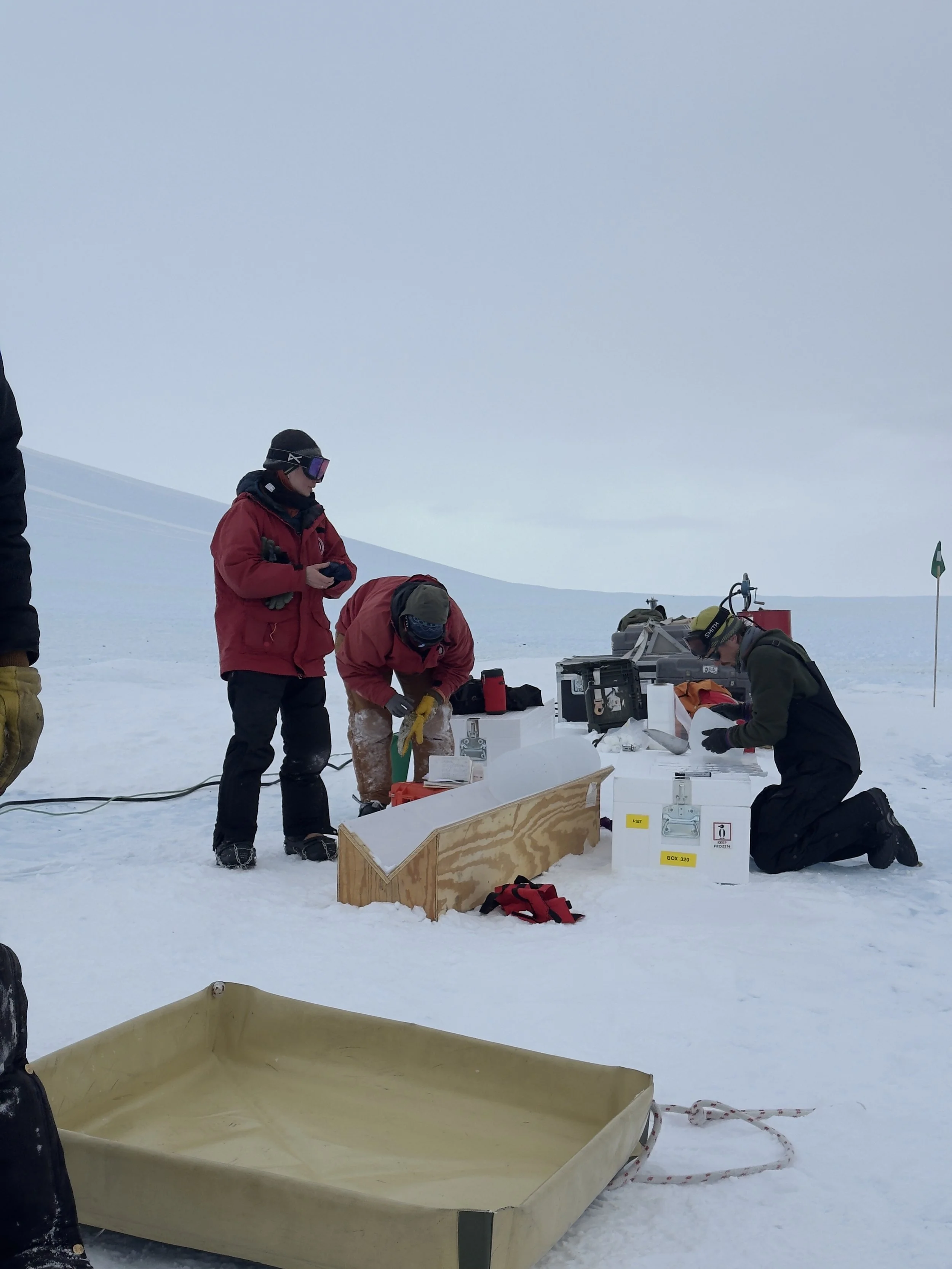
With just a day to the new year, everyone at camp is in high spirits, proud of our progress thus far and looking forward to doing more science with the short time we have left in the field. John Higgins, I-187M Science Lead, sent us these words from the comfort of his home: “I am amazed at the team’s progress; getting a 3rd large diameter borehole and maxing out our ice cored moraine boxes for the last field season of Phase 1 is really a testament to the professionalism and excellence of the field team, US Ice Drilling Program, and US Antarctic Program. While I enjoy having running water and spending time with family on the holidays, I miss the esprit de corps of I-187!” Thanks John, we miss you too! As of this writing, it’s blowing 30 knot winds with 37 knot gusts, the sky is crystal blue, and the sun is still shining. We are planning to take a day off to celebrate the start of 2026 soon.
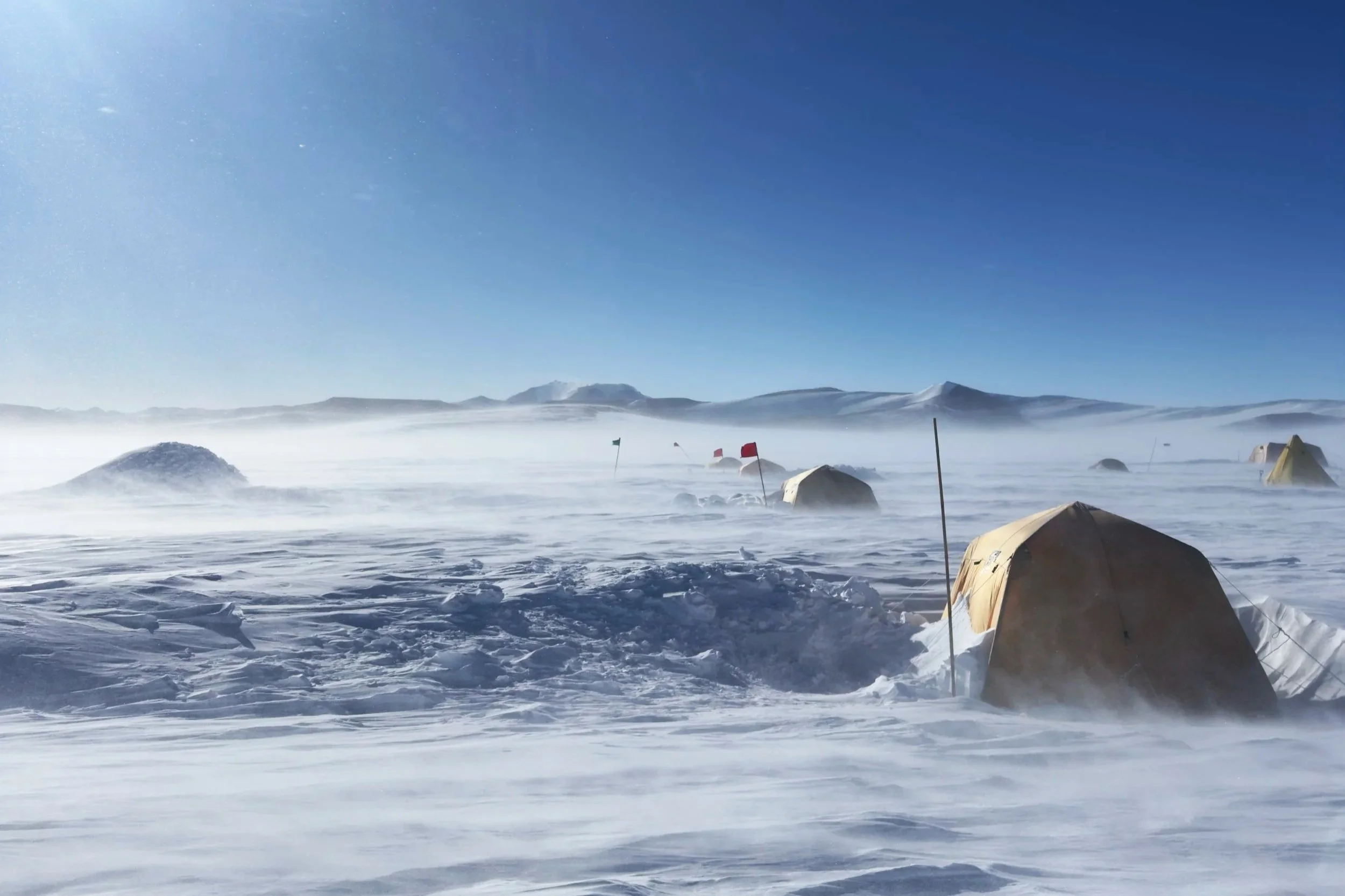
Camp on a windy day.
Until next year!
~ Martin Froger Silva, NSF COLDEX Digital Content Coordinator and I-187M Ice Core Handler.
As a reminder, we’re updating you throughout the field season via our newsletter and this blog. We’re also posting images, videos, and more on our Instagram and LinkedIn accounts, so follow us there if you haven’t done so already!
NSF COLDEX thanks the United States Antarctic Program for logistical support, with coordination and support from NSF Office of Polar Programs, NSF Antarctic Infrastructure and Logistics Program, the NSF Ice Drilling Program, the NSF Ice Core Facility, and the Antarctic Support Contractor.
